Income-tax Act 2025 and Rules 2026: what changed for salaried staff
Tax year, renumbered sections, Form 130 and higher allowance limits: what the new Income-tax Act and Rules change for salaried employees, and what stays.
 Ishaan Vardhan27 Oct 2026 · 11 min read
Since 1 April 2026, Indian salaries have been taxed under the Income-tax Act, 2025 and the Income-tax Rules, 2026, which replaced the 1961 Act and the 1962 Rules. Your tax rates, the ₹12 lakh rebate and the ₹75,000 standard deduction did not change. What changed is the vocabulary (“tax year”), almost every section and form number, and a set of old-regime allowance and perquisite limits that were raised sharply for the first time in years.
Six months into the first tax year under the new law, employers are already collecting investment proofs for 2026-27 on new forms and payslips are quoting new section numbers. This guide maps what moved, what stayed put and what it means for your take-home pay. (Indian amounts are in rupees: one lakh is ₹1,00,000 and one crore is ₹1,00,00,000.)
Key takeaways
- The tax year 2026-27 (1 April 2026 to 31 March 2027) is the first one governed by the Income-tax Act, 2025; income earned up to 31 March 2026 is still dealt with under the 1961 Act.
- Slabs, the section 156 rebate (old 87A), the ₹75,000 standard deduction and the ₹1.5 lakh limit for section 123 (old 80C) are unchanged.
- The new Rules raise several old-regime limits: children’s education allowance from ₹100 to ₹3,000 a month per child, meal vouchers from ₹50 to ₹200 a meal, and gifts from ₹5,000 to ₹15,000 a year.
- Form 16 becomes Form 130, Form 12BB becomes Form 124 and Form 26AS becomes Form 168.
- Most of the new limits help only people who stay in the old regime; the default new regime still ignores them.
What the new law is and when it applies
The Income-tax Act, 2025 (Act No. 30 of 2025) received the President’s assent on 21 August 2025, according to the Gazette of India notification. A Press Information Bureau backgrounder dated 3 September 2025 says it takes effect from 1 April 2026 and was drafted on three principles: simpler text and structure, no major policy changes and no changes to tax rates, according to PIB. Finance Minister Nirmala Sitharaman confirmed the 1 April 2026 start in her Budget speech on 1 February 2026 and said the simplified rules and forms would be notified shortly, according to the speech.
The rules followed on 20 March 2026. The Income-tax Rules, 2026 were notified as G.S.R. 198(E), effective 1 April 2026, and cut the rulebook from 511 rules and 399 forms to 333 rules and 190 forms, according to Taxmann.
The old Act is not simply switched off. Section 536 repeals the 1961 Act but keeps it alive for anything relating to a tax year that began before 1 April 2026, including assessments, notices, penalties and appeals, according to the Act. So the return you filed in 2026 for income earned in 2025-26 belongs to the old law; the salary you are earning now belongs to the new one.
“Tax year” replaces previous year and assessment year
For decades, Indian taxpayers earned income in a “previous year” and were assessed in the following “assessment year”, so salary for April 2025 to March 2026 belonged to “AY 2026-27”. Section 3 of the new Act defines a single “tax year” as the twelve months of the financial year starting on 1 April, according to the Act. PIB describes the change as a way to remove confusion about which period a return relates to, according to its explainer.
In practice, the salary you earn from April 2026 to March 2027 is “tax year 2026-27”, and that is the label you will see on your employer’s TDS (tax deducted at source) certificate and in the return you file in 2027. The Finance Bill memorandum already uses this language, setting out rates “for the tax year 2026-27”, according to the Finance Ministry.
The renumbered sections salaried people use
The 1961 Act had grown to more than 700 sections; the new one has 536, according to ClearTax. PIB notes the old law was amended nearly 65 times with more than 4,000 amendments, which is why the text needed restructuring, according to PIB. Many of the exemptions that sat in section 10 now live in schedules, and some salary items moved into a single table in section 19. The table below lists the provisions most salaried people meet; the new numbers are taken from the Act’s text and the old ones from ClearTax’s mapping.
| What it covers | Income-tax Act, 1961 | Income-tax Act, 2025 |
|---|---|---|
| Investments such as PF, PPF, ELSS, life insurance (₹1.5 lakh cap) | Section 80C | Section 123 (list in Schedule XV) |
| Health insurance premium | Section 80D | Section 126 |
| Rebate for lower incomes | Section 87A | Section 156 |
| Default new tax regime and slabs | Section 115BAC | Section 202 |
| Standard deduction and professional tax | Section 16 | Section 19 (Table Sl. Nos. 1 and 2) |
| Gratuity, leave encashment, VRS payouts | Section 10(10), 10(10AA), 10(10C) | Section 19 table |
| Perquisites | Section 17 | Section 17 |
| House rent allowance | Section 10(13A) | Schedule III, Sl. No. 11 |
| Leave travel concession | Section 10(5) | Schedule III, Sl. No. 8 |
| Employer’s TDS on salary | Section 192 | Section 392 |
| Filing your return | Section 139 | Section 263 |
One practical tip: secondary sources do not always agree on the details. ClearTax’s mapping lists TDS on salary under section 393, but in the gazetted text salary TDS is section 392, while section 393 is the consolidated section for other TDS, which PIB highlights as a simplification. When a number matters, for example in a reply to a tax notice, check it against the Act itself.
What stayed the same
The government’s stated aim was no change in rates, and the Budget for 2026-27 kept it that way. The Finance Bill memorandum says no change is proposed to the rates in section 202 or the First Schedule, according to the memorandum. The default new-regime slabs for tax year 2026-27 are:
| Total income | Rate |
|---|---|
| Up to ₹4,00,000 | Nil |
| ₹4,00,001 to ₹8,00,000 | 5% |
| ₹8,00,001 to ₹12,00,000 | 10% |
| ₹12,00,001 to ₹16,00,000 | 15% |
| ₹16,00,001 to ₹20,00,000 | 20% |
| ₹20,00,001 to ₹24,00,000 | 25% |
| Above ₹24,00,000 | 30% |
Several other familiar numbers carried over word for word, according to the Act:
- Rebate. Under section 156, a resident in the new regime pays no tax if total income does not exceed ₹12 lakh (rebate up to ₹60,000), with marginal relief just above that line. In the old regime, the rebate is up to ₹12,500 for income up to ₹5 lakh.
- Standard deduction. Section 19 allows ₹75,000 in the new regime and ₹50,000 in the old one. Professional tax remains deductible only in the old regime.
- Section 123. The old 80C basket keeps its ₹1.5 lakh cap.
- Default regime. Section 202 rates apply unless you opt out under section 202(4), as before.
Surcharge bands (10% above ₹50 lakh, 15% above ₹1 crore, 25% above ₹2 crore in the new regime, with 37% above ₹5 crore available only in the old regime) also continue, according to the memorandum. To see your own take-home under both regimes, use our in-hand salary calculator, which applies these 2026-27 rates.
The new allowance and perquisite limits
This is where the Rules, rather than the Act, changed real money. Many limits in the 1962 Rules had not been touched in decades. The table summarises the main changes for employees, as reported by KPMG in a 30 March 2026 alert and by the law firm Legitpro in an article published on Mondaq on 26 March 2026.
| Item | Old limit | New limit from 1 April 2026 |
|---|---|---|
| Children’s education allowance (up to two children) | ₹100 a month per child | ₹3,000 a month per child |
| Children’s hostel allowance (up to two children) | ₹300 a month per child | ₹9,000 a month per child |
| Free meals or meal vouchers | ₹50 a meal | ₹200 a meal |
| Gifts and vouchers from the employer | ₹5,000 a year | ₹15,000 a year |
| Interest-free employer loans (threshold as described by KPMG and Legitpro) | ₹20,000 | ₹2 lakh |
| Company car, engine up to 1.6 litres or electric, personal and official use | ₹1,800 a month (+₹900 for a driver) | ₹5,000 a month (+₹3,000 for a driver) |
| Company car, engine above 1.6 litres | ₹2,400 a month (+₹900 for a driver) | ₹7,000 a month (+₹3,000 for a driver) |
Sources: KPMG and Legitpro on Mondaq. Note that two of these changes cut the other way: a higher perquisite value for a company car means more taxable salary, not less.
House rent allowance (HRA) also changed. Rule 279 extends the 50% limit, previously reserved for Mumbai, Delhi, Kolkata and Chennai, to Bengaluru, Hyderabad, Pune and Ahmedabad; other places stay at 40%, according to Upstox. The same report notes that the education and hostel allowances sit in Rule 280. Our salary calculator’s “50% HRA city” option already uses the eight-city list.
What the higher limits are worth: an illustration
The following is our own arithmetic, not a figure from any source, and it assumes your employer actually restructures pay to use these limits and you file under the old regime.
- Meals: one meal voucher per working day, 22 days a month, is 264 meals a year. At ₹200 a meal, ₹52,800 is tax-free, against ₹13,200 at the old ₹50 limit. The extra ₹39,600, at the 30% slab plus 4% cess (31.2%), saves about ₹12,355 in tax.
- Two children: education allowance of ₹3,000 a month each is ₹72,000 a year exempt, against ₹2,400 before. If both children live in a hostel, a further ₹2,16,000 a year (₹9,000 × 2 × 12) can be exempt, against ₹7,200 earlier.
Added together, these can be large enough to change the old-versus-new-regime answer for some parents on high salaries, which is why it is worth rerunning the comparison this year rather than assuming last year’s answer still holds.
Why the new regime ignores most of this
Section 202(2) says that, for anyone taxed at the new-regime rates, total income is computed without the HRA exemption (Schedule III, Sl. No. 11), without leave travel concession (Sl. No. 8), without most special allowances (Sl. Nos. 12 and 13, except those prescribed), without the professional tax deduction, without most Chapter VIII deductions such as section 123, and without any allowance or perquisite exemption “provided under any other law”, according to the Act. The deductions it keeps include the employer’s contribution to the National Pension System under section 124.
Both Upstox and Legitpro make the same point: HRA, children’s education and hostel allowances are old-regime benefits only. Meal vouchers and gifts are a slightly different case because they reduce the taxable value of a perquisite rather than being a listed exemption; how your employer treats them under the new regime is worth asking payroll directly, since our sources do not settle it.
New form numbers to recognise
The forms were renumbered as well. The ones a salaried person meets most often, according to Legitpro on Mondaq and the Income Tax Department’s form mapping guide, are:
- Form 130 replaces Form 16, the annual TDS certificate from your employer.
- Form 124 replaces Form 12BB, the declaration of rent, home loan interest and investments you give payroll.
- Form 168 replaces Form 26AS, the annual tax credit statement; Legitpro notes it will not display your Aadhaar number.
- Form 138 replaces Form 24Q, the employer’s quarterly TDS statement on salary.
- Form 121 replaces Forms 15G and 15H, the declarations for receiving certain income without TDS.
The e-filing portal now shows forms under separate tabs for the 2025 Act and the 1961 Act, according to the department, so pick the tab that matches the year you are dealing with.
What to do this year
- Use the right labels. For income from April 2026, say “tax year 2026-27” and quote new section numbers in declarations to your employer.
- Ask payroll what it will restructure. The higher limits only help if your salary has a component paid as that allowance or perquisite.
- Redo the regime comparison. Higher limits for HRA cities, children and meals can tilt some people toward the old regime. Our salary hike calculator also shows how a raise changes monthly take-home under either regime.
- Keep proof in the new format. Rent receipts and investment proofs now go with Form 124.
Bottom line
For most salaried people on the default new regime, the switch to the Income-tax Act, 2025 changes labels, not liabilities: the same slabs, the same ₹12 lakh zero-tax line and the same ₹75,000 standard deduction. The people who should look closely are old-regime filers, parents, employees in Bengaluru, Hyderabad, Pune and Ahmedabad, and anyone with a company car, because the Income-tax Rules, 2026 rewrote limits that had been stuck for years. This article explains the law in general terms and is not tax advice; confirm your own position with a chartered accountant or the Income Tax Department.
FAQ
Is it the Income Tax Act 2025 or 2026?
The law is the Income-tax Act, 2025, passed in 2025 and in force from 1 April 2026. The accompanying rules are the Income-tax Rules, 2026.
Did tax slabs change on 1 April 2026?
No. The Finance Bill memorandum proposed no change in rates, and the new-regime slabs run from nil up to ₹4 lakh to 30% above ₹24 lakh.
What is section 80C called now?
Section 123 of the Income-tax Act, 2025, with the eligible investments listed in Schedule XV. The ₹1.5 lakh cap is unchanged.
What is the new name for Form 16?
Form 130. Form 12BB is now Form 124 and Form 26AS is now Form 168.
Can I claim HRA under the new regime?
No. Section 202(2) excludes the HRA exemption for anyone taxed at new-regime rates.
Which cities get the 50% HRA limit from 2026-27?
Mumbai, Delhi, Kolkata, Chennai, Bengaluru, Hyderabad, Pune and Ahmedabad, under Rule 279.
Sources
- Gazette of India (Ministry of Law and Justice), “The Income-tax Act, 2025 (No. 30 of 2025)“, 21 August 2025
- Press Information Bureau, “The Income Tax Act, 2025: Reshaping Tax Framework“, 3 September 2025
- Ministry of Finance (India Budget), “Budget 2026-2027: Speech of Nirmala Sitharaman“, 1 February 2026
- Ministry of Finance (India Budget), “Finance Bill, 2026: Memorandum explaining the provisions“, 1 February 2026
- Taxmann, “CBDT notifies Income-tax Rules, 2026“, March 2026
- KPMG, “India – Income-tax Rules, 2026: Key Updates from Personal Tax Perspective“, 30 March 2026
- Mondaq (Legitpro Law), “Income Tax Rules, 2026 Notified: HRA, Allowance And Form Changes“, 26 March 2026
- Upstox, “Final income tax rules 2026 notified: HRA to new vs old regime“, 20 March 2026
- Income Tax Department (e-Filing portal), “Form Mapping Guide: Income-tax Act, 1961 to Income-tax Act, 2025“, June 2026
- ClearTax, “Income Tax Act 2025: key changes, chapters and tax slabs“, accessed 6 October 2026
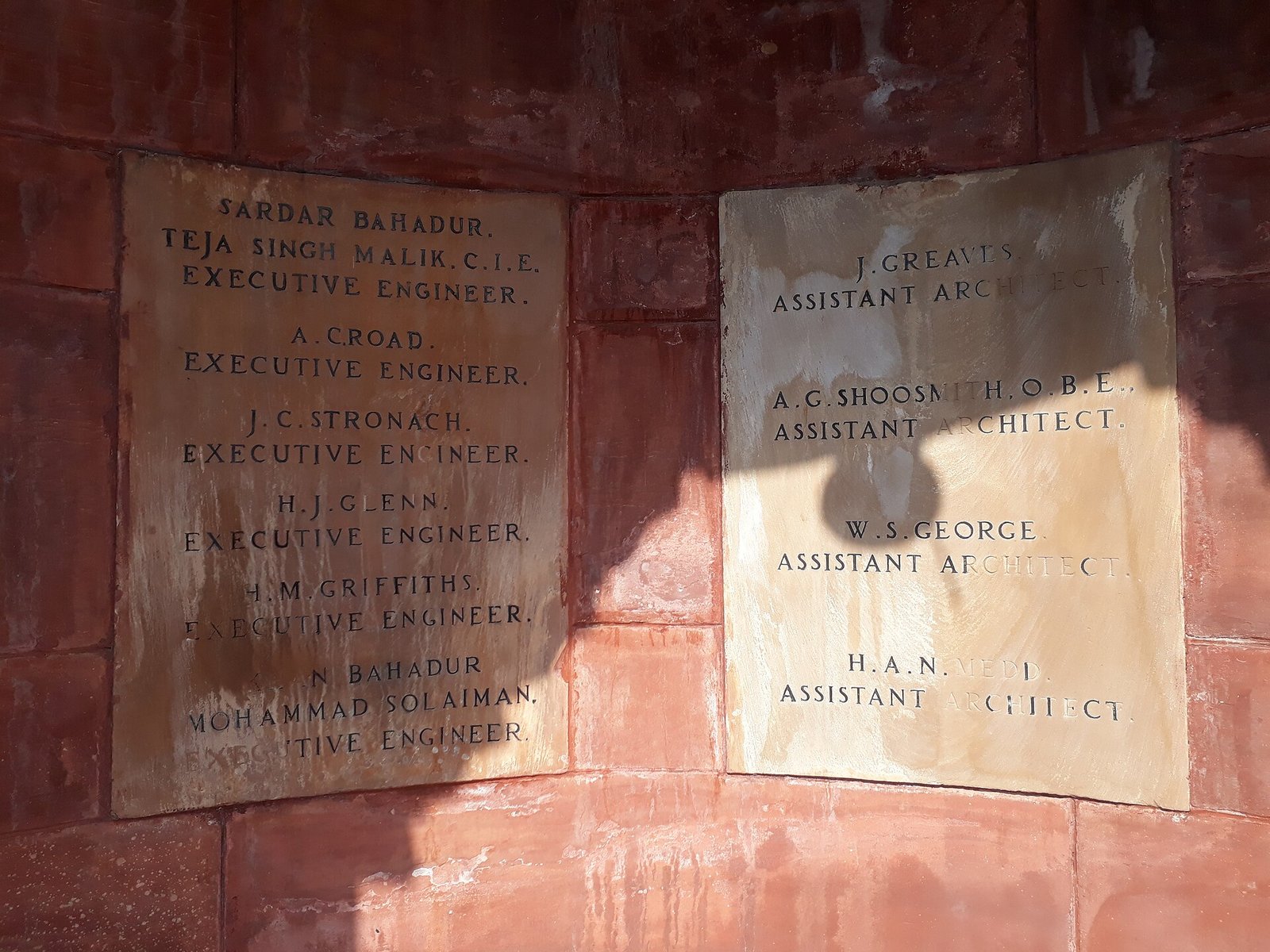
Featured image: North Block in New Delhi, home of the Finance Ministry, which drafted the Income-tax Act, 2025. · Photo: Pinakpani / Wikimedia Commons, CC BY-SA 4.0
How this article was made: researched and drafted with AI assistance by the 100xFounder editorial desk, using only the sources listed in it; every figure links to its source. Read our editorial policy, or report an error through our corrections policy.
Related stories
Sources (10)
- Gazette of India 21 Aug 2025Act No. 30 of 2025, assent 21 Aug 2025; s.3 tax year; s.19 standard deduction ₹75,000/₹50,000, PT, gratuity/leave/VRS table; s.123 ₹1.5L; s.126; s.156 rebate ₹60,000/₹12L and ₹12,500/₹5L; s.202 slabs and exclusions; s.392 salary TDS; s.263 return; Schedule III Sl. 8 and 11; s.536 repeal and savings
- Press Information Bureau 3 Sep 2025Effective 1 April 2026; tax year replaces AY/PY; no change in rates; 1961 Act amended ~65 times with 4,000+ amendments; TDS consolidated in s.393
- Ministry of Finance 1 Feb 2026Income Tax Act 2025 in force from 1 April 2026; simplified rules and forms to be notified
- Ministry of Finance 1 Feb 2026No change in rates for tax year 2026-27; s.202 slabs; surcharge bands incl. 37% only outside s.202
- Taxmann 20 Mar 2026Rules notified as G.S.R. 198(E) on 20 March 2026, effective 1 April 2026; 511 rules/399 forms to 333 rules/190 forms
- KPMG 30 Mar 2026Car perquisite, children education/hostel, meals, gifts, loan limit changes; HRA cities
- Mondaq (Legitpro Law) 26 Mar 2026Allowance limits; Form 16→130, 12BB→124, 26AS→168; Form 168 hides Aadhaar; old-regime only
- Upstox 20 Mar 2026Rule 279 HRA eight cities at 50%; Rule 280 education ₹3,000 and hostel ₹9,000; not in new regime
- Income Tax Department 1 Jun 2026Form 138 replaces 24Q; Form 121 replaces 15G/15H; separate portal tabs per Act
- ClearTax 6 Oct 2026Old section numbers (80C, 80D, 87A, 115BAC, 16(ia), 139); 700+ sections to 536