USV buys 79% of Wellbeing Nutrition: inside the ₹1,583 crore deal
Drugmaker USV is buying about 79% of supplements brand Wellbeing Nutrition as HUL and Fireside exit. The terms, the numbers and what founders can learn.
 Ishaan Vardhan20 Oct 2026 · 10 min read
Mumbai drugmaker USV has signed a definitive agreement to buy about 79% of Nutritionalab Private Limited, the company behind supplements brand Wellbeing Nutrition, in an all-cash deal announced on 12 February 2026. The transaction is pegged at about ₹1,583 crore (roughly $175 million), and it gives early backers Fireside Ventures and Hindustan Unilever a full exit, according to Entrackr and Inc42.
For founders, it is one of the clearest signals yet of how Indian consumer health brands can exit: not through an IPO, but by selling to a cash-rich incumbent that wants a direct line to consumers.
Key takeaways
- USV is buying roughly 79% of Wellbeing Nutrition: about 35% from co-founder Avnish Chhabria and about 44% from other shareholders, including Fireside Ventures and HUL.
- HUL is selling its 19.8% holding for about ₹307 crore, more than four times the roughly ₹70 crore it invested, Entrackr reported.
- Wellbeing Nutrition said it made about ₹170 crore in revenue in FY25 with a loss of a little over ₹30 crore, and it is targeting more than ₹450 crore in FY27.
- The deal is USV’s first big move from prescription drugs into consumer wellness, and it lands in the same year India’s semaglutide patent expired and the weight-loss drug market opened to generics.
The deal in numbers
A note on Indian units before the figures: one crore is 10 million, so ₹1,583 crore is ₹15.83 billion. Inc42 converted the figure to about $174.7 million at the time of the announcement.
Reports describe the ₹1,583 crore figure in two ways. Entrackr and Entrepreneur India call it the valuation of Wellbeing Nutrition, while Inc42 and Outlook Business describe it as the value of the transaction. Neither company has published a breakdown, so we treat ₹1,583 crore as the headline number attached to the deal and do not calculate a per-share price from it.
| Item | Reported figure |
|---|---|
| Stake acquired by USV | About 79% of Nutritionalab Private Limited |
| From co-founder Avnish Chhabria | About 35% |
| From other shareholders | About 44% |
| Headline value | About ₹1,583 crore, all cash |
| HUL’s stake sold | 19.8%, for about ₹307 crore |
| Expected closing | By 31 March 2026, subject to customary conditions |
Chhabria keeps a minority stake that runs until March 2028, according to Entrepreneur India. The existing management team, including co-founder Saurabh Kapoor, continues to run the business under the oversight of a board, Outlook Business reported. That structure, a majority sale now with a founder rollover and a dated path to full ownership, is common in consumer-brand buyouts because it keeps the founders invested in hitting growth targets.
Legal firm Anagram Partners advised Nutritionalab and its founder on the transaction, according to Bar & Bench.
Who is USV, and why is a drugmaker buying a supplement brand?
USV is a privately held Mumbai pharmaceutical company founded in 1961, best known in India for prescription brands such as Glycomet GP and Ecosprin, and as the Indian partner for German skincare brand Sebamed, according to Outlook Business and Inc42. Its managing director is Prashant Tewari. It is also one of India’s leading producers of metformin, a widely used diabetes drug, according to its Wikipedia entry.
Prescription drugs reach patients through doctors. A supplements brand reaches people directly, through its own website, Amazon, Nykaa, quick-commerce apps and pharmacy shelves. Buying Wellbeing Nutrition gives USV a consumer brand, a direct-to-consumer (D2C) data loop and a team that already knows how to sell health products online, without having to build all three from scratch.
Tewari framed the purchase as part of building a “future-facing healthcare portfolio” for changing consumer needs, according to Inc42. Outlook Business reported that the two companies also intend to work on products in the GLP-1 space, the class of diabetes and weight-loss drugs that includes semaglutide, once patent exclusivity lapses.

What Wellbeing Nutrition built
Wellbeing Nutrition was founded in 2019 by Avnish Chhabria and Saurabh Kapoor. It sells vitamins, minerals, protein, collagen, omega supplements and other wellness products, and it sells in India, the US, the UK and the UAE, according to Entrackr. Entrepreneur India reported that its products are stocked in more than 6,000 retail outlets.
Funding history
The company raised about $14 million before the sale, including a $10 million Series B in December 2022 led by Fireside Ventures and HUL, Entrackr reported. Inc42 has also reported that actor Rakul Preet Singh and Mira Kapoor were among its backers. HUL’s holding was 19.8%.
Revenue and losses
Wellbeing Nutrition’s growth has been fast, but it has not yet been profitable at the net level. The numbers below come from the company’s own statements to the press, which is worth keeping in mind:
- FY24: revenue of ₹71.96 crore and a net loss of ₹31.6 crore, according to Inc42 (March 2025).
- FY25: in March 2025, Chhabria told Inc42 the company expected to close the year at about ₹140 crore. By August 2025, a company spokesperson told Entrackr that FY25 revenue was about ₹170 crore, more than double the previous year, with losses of a little over ₹30 crore.
- FY26 and FY27: at the time of the deal, the company expected about ₹260 crore in FY26 revenue and targeted more than ₹450 crore in FY27, according to Entrepreneur India and Entrackr.
India’s financial year runs from April to March, so FY25 is April 2024 to March 2025. Audited FY25 filings had not been widely reported when the deal was announced, and the gap between the March and August 2025 estimates is a reminder to treat company-claimed revenue as provisional.
The channel mix is notable. Online channels, including its own site, Amazon, Nykaa and quick-commerce apps, made up about 70% of sales, retail (pharmacies, modern trade, malls and airports) about 25%, and exports 5% to 10%, the spokesperson told Entrackr. For a pharma buyer with an existing pharmacy and doctor network, that 25% retail slice is the part most likely to grow.
HUL’s exit and the same-day OZiva buyout
HUL announced its exit on the same day it bought the rest of another supplements brand. It agreed to pay ₹824 crore for the remaining 49% of Zywie Ventures, the company behind women’s wellness brand OZiva, in which it had bought 51% in 2023, while selling its 19.8% of Nutritionalab to USV for ₹307 crore, according to FoodBev. Both transactions were expected to close by March 2026.
HUL chief executive Priya Nair called health and wellbeing an “important growth vector” for the company, FoodBev reported. Read together, the two deals say HUL wants full control of one supplements brand rather than minority positions in two. Supplement-industry publication NutraIngredients listed both among the notable supplement deals of the first quarter of 2026.
For HUL the Wellbeing Nutrition exit was profitable on paper: about ₹307 crore back on roughly ₹70 crore invested, a return of more than four times, according to Entrackr. Several outlets also reported a large multiple for Fireside Ventures, but Fireside’s exact proceeds have not been disclosed, so we have left that figure out.
The GLP-1 angle
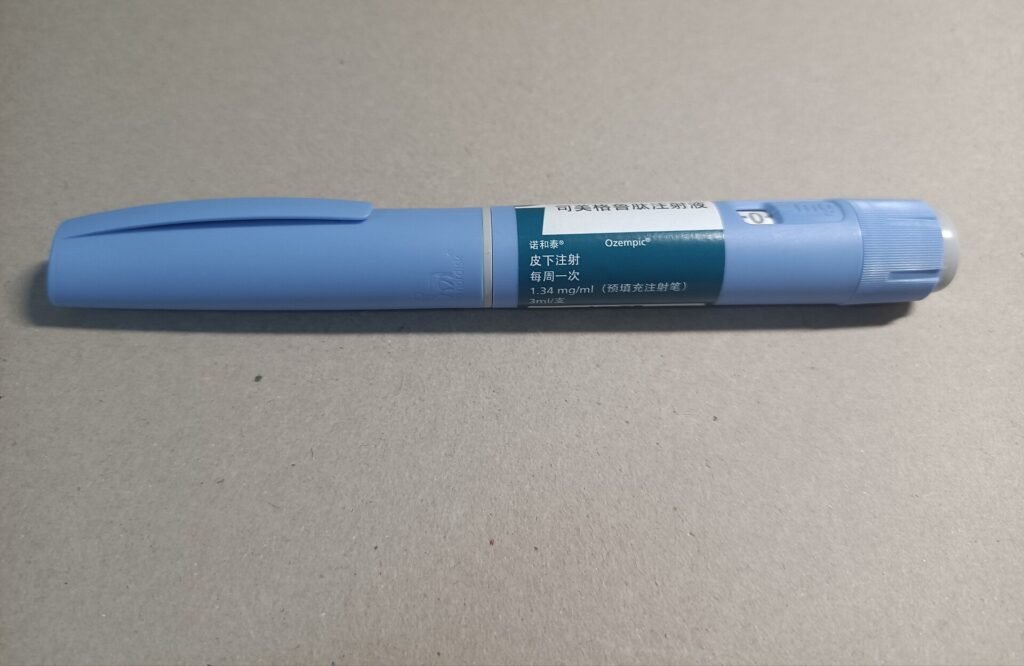
The timing of USV’s move matters because India’s market for weight-loss and diabetes drugs changed sharply in 2026. Semaglutide, the molecule in Novo Nordisk’s Ozempic and Wegovy, lost patent exclusivity in India in March 2026, and domestic drugmakers launched generic versions at prices below ₹2,000 a month, compared with more than ₹10,000 for the branded product, according to Business Today. Novo responded on 31 March by cutting starting-dose prices by 36% for its diabetes formulation and by 48% for Wegovy.
That shift creates a large new group of patients who are managing weight and blood sugar, and who are likely to buy related products such as protein, fibre and micronutrient supplements. A drugmaker with an established diabetes business, plus a consumer supplements brand is positioned to reach those patients through both doctors and shopping apps. Outlook Business reported that USV and Wellbeing Nutrition plan to develop products for the GLP-1 segment, but no product, launch date or regulatory filing has been announced, so that remains an intention rather than a plan with numbers attached.
What founders can learn from this exit
This is our analysis, based on the reported terms rather than on any statement from the companies.
Strategic buyers pay for distribution they cannot build quickly
USV did not need Wellbeing Nutrition’s factories or formulas. It bought a brand that consumers already search for, a working online sales engine and a team that runs it. D2C founders who can show repeat purchase, channel diversity and a recognisable brand are building exactly the assets that incumbents find slow to create in-house.
Majority sales with a founder rollover are the norm
The founder selling part of his stake now and holding the rest until March 2028 is a familiar pattern. Emami’s acquisition of men’s grooming brand The Man Company followed a similar path in stages, from a minority stake in 2017 to full ownership in 2024. Founders should expect earn-out style structures and plan their personal finances and roles around a multi-year transition.
Losses do not block an exit, but the story has to be credible
Wellbeing Nutrition was still loss-making at the net level when it sold. What buyers appear to pay for is a credible growth path: the company pointed to more than 100% growth in FY25 and a ₹450 crore FY27 target. Founders should be ready for buyers to test those projections in diligence.
Strategic investors can be your exit route
HUL’s 2022 investment gave it a seat close to the business, and in the end it chose to exit rather than buy. Corporate investors can become acquirers, but they can also become sellers when their priorities change, as HUL’s same-day OZiva deal shows. Founders taking strategic money should negotiate rights of first refusal and transfer terms with that in mind.
Why it matters
Indian startup investors have long complained about the scarcity of exits outside the IPO market. A pharma company paying cash for a majority of a seven-year-old D2C brand, with a venture fund and a consumer goods giant both getting out with gains, is the kind of outcome that keeps capital flowing into consumer health. It also shows that the most likely buyers for Indian wellness brands now include pharmaceutical companies, not only consumer goods groups.
The open questions are execution ones. Can a prescription-drug company keep a fast-moving D2C brand fast? Will the GLP-1 collaboration produce products? And will Wellbeing Nutrition reach its ₹450 crore FY27 target under new ownership? Its filings for FY26, due later this year, will be the first test. You can track similar deals on our funding tracker and in our startup news section.
FAQ
Who bought Wellbeing Nutrition?
USV Private Limited, a Mumbai pharmaceutical company founded in 1961, signed an agreement in February 2026 to buy about 79% of Nutritionalab Private Limited, which owns the Wellbeing Nutrition brand.
How much did USV pay for Wellbeing Nutrition?
Reports attach a figure of about ₹1,583 crore (roughly $175 million) to the all-cash deal. Some outlets describe this as the company’s valuation and others as the transaction value; the companies have not published a breakdown.
Did HUL and Fireside Ventures exit?
Yes. HUL sold its entire 19.8% stake for about ₹307 crore, and Fireside Ventures also sold its holding, according to Entrackr and Outlook Business. Fireside’s proceeds were not disclosed.
Is the founder still involved?
Co-founder Avnish Chhabria sold about 35% but keeps a stake until March 2028, and the management team, including co-founder Saurabh Kapoor, continues to run the business under board oversight.
What is Wellbeing Nutrition’s revenue?
The company told Entrackr it made about ₹170 crore in FY25 with a loss of a little over ₹30 crore. It expected about ₹260 crore in FY26 and targets more than ₹450 crore in FY27. These are company figures, not audited results.
This article is for information only and is not investment advice. Confirm details with official filings or a qualified professional before making financial decisions.
Sources
- Entrackr, “USV acquires 79% stake in Wellbeing Nutrition at Rs 1,583 Cr valuation”, 12 February 2026
- Inc42, “USV Pharma Acquires 79% Stake In Wellbeing Nutrition For ₹1,583 Cr”, 12 February 2026
- Entrepreneur India, “USV Acquires 79 Percent Stake in Wellbeing Nutrition for INR 1,583 Cr”, 13 February 2026
- Outlook Business, “Pharma Firm USV Acquires 79% Stake in Wellbeing Nutrition”, 12 February 2026
- FoodBev Media, “HUL takes full control of OZiva, sells stake in Nutritionalab”, 17 February 2026
- Bar & Bench, “Anagram Partners acts on USV acquiring majority stake in Wellbeing Nutrition”, 12 March 2026
- Entrackr, “Wellbeing Nutrition claims Rs 170 Cr revenue in FY25; retail share at 25%”, 29 August 2025
- Inc42, “Wellbeing Nutrition To Close FY25 With INR 140 Cr Revenue: Founder Avnish Chhabria”, 21 March 2025
- NutraIngredients, “Q1 2026 mergers, acquisition and investment in the supplement sector”, 31 March 2026
- Business Today, “Novo further cuts semaglutide prices as generics enter India”, 31 March 2026
- Entrackr, “Emami-owned The Man Company’s losses widen 49% in FY26 amid modest revenue growth”, 3 July 2026
- Wikipedia, “USV (company)”, accessed 4 October 2026
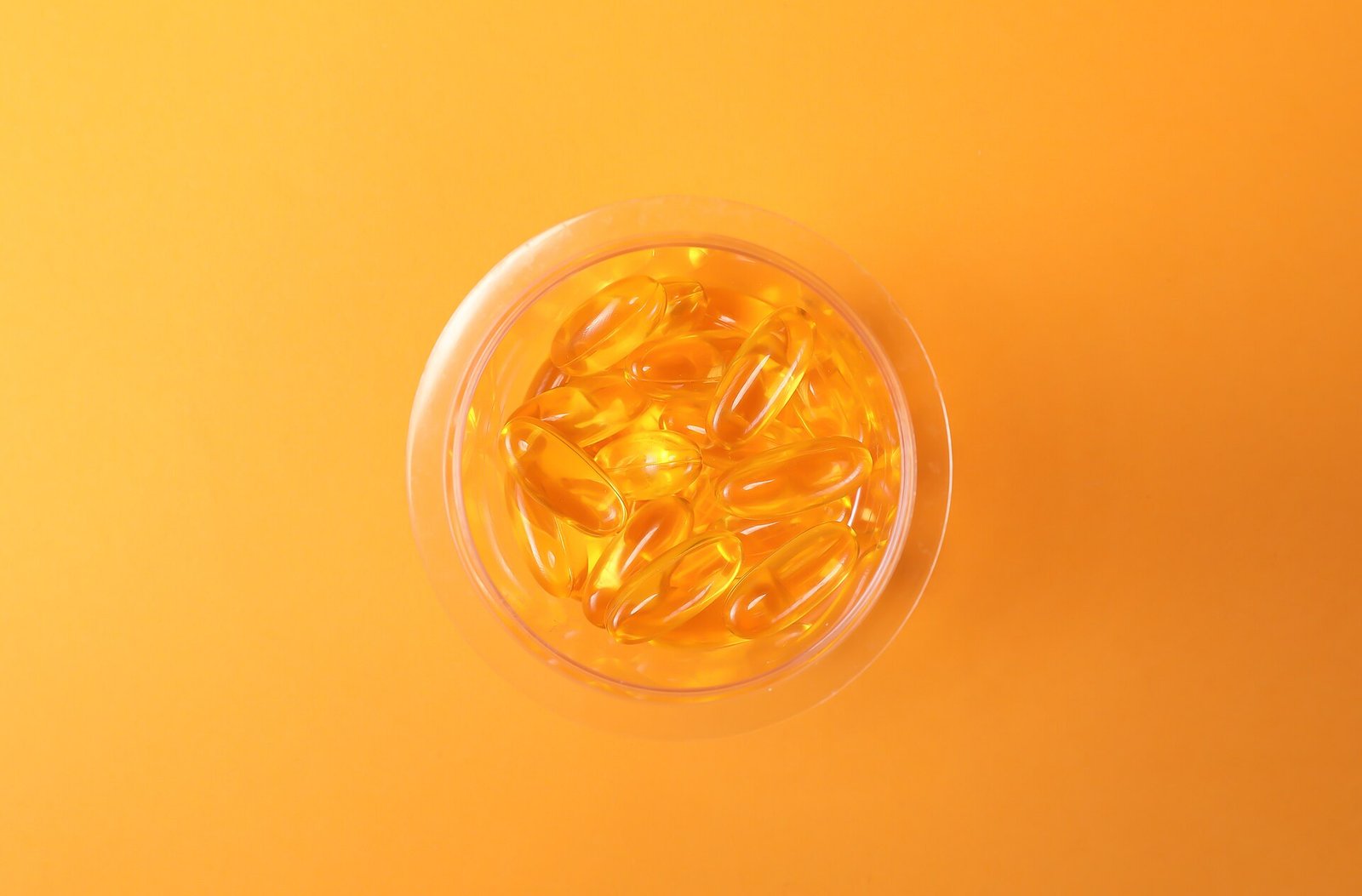
Featured image: Supplements such as omega-3, vitamins and protein are Wellbeing Nutrition's core categories. · Photo: Jernej Furman from Slovenia / Wikimedia Commons, CC BY 2.0
How this article was made: researched and drafted with AI assistance by the 100xFounder editorial desk, using only the sources listed in it; every figure links to its source. Read our editorial policy, or report an error through our corrections policy.
Related stories

Sources (12)
- Entrackr 12 Feb 202679% stake, Rs 1,583 Cr valuation, HUL 19.8% for ~Rs 307 Cr on ~Rs 70 Cr invested (>4x), ~$14M raised incl. $10M Series B Dec 2022, founded 2019, products, markets, FY27 target >Rs 450 Cr
- Inc42 12 Feb 2026Deal value Rs 1,583 Cr (~$174.7M) all cash; co-founders Chhabria and Kapoor; USV founded 1961; Tewari quote; Rakul Preet Singh and Mira Kapoor backers
- Entrepreneur India 13 Feb 2026Valuation framing; 35%/44% split; Chhabria retains stake until March 2028; 6,000+ outlets; FY26 expected ~Rs 260 Cr
- Outlook Business 12 Feb 2026Transaction value framing; USV brands Glycomet GP, Ecosprin, Sebamed partner; MD Prashant Tewari; management continues under board; GLP-1 plans; Fireside and HUL exit
- FoodBev Media 17 Feb 2026HUL pays Rs 824 Cr for remaining 49% of OZiva (51% bought 2023); sells 19.8% Nutritionalab for Rs 307 Cr; close by March 2026; Priya Nair quote
- Bar & Bench 12 Mar 2026Anagram Partners advised Nutritionalab and founder
- Entrackr 29 Aug 2025FY25 revenue ~Rs 170 Cr, >100% growth, loss a little over Rs 30 Cr; channel mix 70% online, 25% retail, 5-10% exports
- Inc42 21 Mar 2025FY24 revenue Rs 71.96 Cr, loss Rs 31.6 Cr; FY25 projected Rs 140 Cr; HUL stake 19.8%
- NutraIngredients 31 Mar 2026USV-Wellbeing and HUL-OZiva among Q1 2026 supplement deals
- Business Today 31 Mar 2026Semaglutide patent expiry March 2026; generics below Rs 2,000/month vs >Rs 10,000; Novo cuts 36% and 48%
- Entrackr 3 Jul 2026Emami: 30% of The Man Company in 2017, full ownership July 2024
- Wikipedia 4 Oct 2026USV is a leading producer of metformin in India