ClosedCast private video streaming: home movies on your Roku TV
ClosedCast turns scattered family videos into a private, Netflix-style library for web and Roku. Founder Jay Christian on why he built it, pricing and plans.
 Ishaan Vardhan13 Nov 2026 · 4 min read
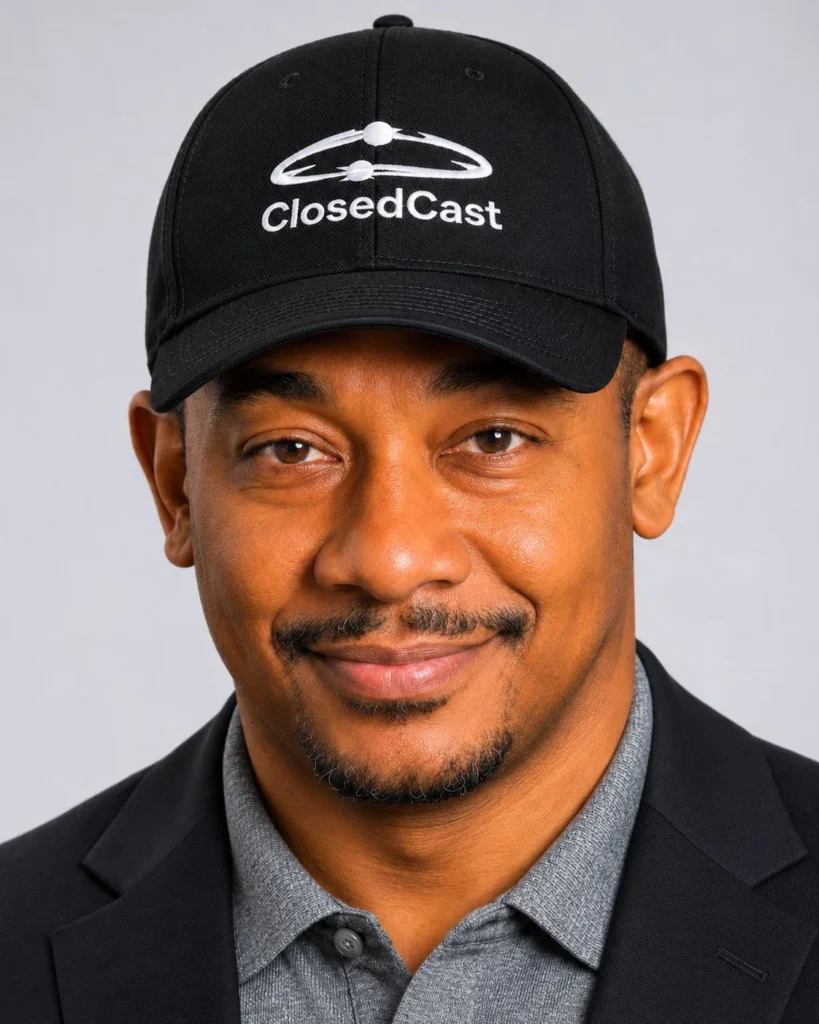
ClosedCast is a private video streaming service from Oakland, California, that turns scattered home videos into a personal, Netflix-style library you can watch on the web or a Roku TV. Founder Jay Christian built it in 2026 after struggling to find his own family’s recordings when his daughter’s school asked for senior-year videos.
What ClosedCast does and who it is for
ClosedCast stores personal recordings in a private archive, groups them into collections and streams them to a browser or a Roku TV. According to the company’s website, videos are private by default, and owners choose exactly who can watch, can set share expiry dates and can revoke access.
The founder describes the main audience as families sitting on years of birthdays, school plays, holidays and digitised home movies spread across phones, laptops, cloud folders and old drives. The ClosedCast site also pitches it to churches, teams and businesses.

Why Jay Christian built it
Jay Christian started ClosedCast after a personal search for old family footage went badly. In his emailed answers to 100xFounder, he says his daughter’s school asked parents for videos for her 2026 senior year, and he found himself digging through old drives and devices for clips he knew existed. A family health event around the same time, he says, made those recordings feel far more important.
His conclusion was that the family did not have “a video problem”, but “a memory problem”: the files existed, but nobody could find or enjoy them. Christian says he has spent more than 20 years in software, enterprise technology, Salesforce, product management and government consulting, including work with Booz Allen Hamilton.
How the private streaming library works
ClosedCast works like a streaming app for your own uploads: videos sit in visual rows by collection, with a search bar and a separate area for videos other people have shared with you. The same library appears on the web and in the Roku app, so a family can browse clips on a television instead of crowding around a phone.
Christian says that shift, from buried files to a private streaming service of people and moments that matter, is the feature he is proudest of. For organisations, ClosedCast connects to Zapier so routine tasks can be automated across other apps, and the website also lists a “ClosedCast for AI” option that links a library to assistants such as ChatGPT and Claude through the Model Context Protocol.

ClosedCast pricing and plans
ClosedCast has a free plan and three paid monthly plans, each capped by stored video minutes or storage, whichever runs out first. These figures come from the company’s pricing page, checked on 12 November 2026:
- Free: $0, 20 minutes or 1 GB, up to 25 videos, Roku and web viewing.
- Personal: $19.99 a month, 600 minutes or 30 GB, with member and guest invites.
- Archive Plus: $49.99 a month, 1,800 minutes or 90 GB.
- Business: $229 a month, 7,500 minutes or 350 GB, with member-only libraries, viewer contact capture and API access.
The page offers yearly billing at a stated 17% saving and custom quotes for larger archives.
What’s next for ClosedCast
ClosedCast’s next step, according to the founder, is finding business segments that produce large amounts of video, whether as their product or as a by-product of their work. The wider aim is making real-life recordings easy to save, organise and revisit for years.
FAQ
Is ClosedCast free?
Yes, ClosedCast has a free plan with 20 minutes of stored video or 1 GB, according to its pricing page. Paid plans start at $19.99 a month.
Can I watch my own home videos on a Roku TV?
Yes. ClosedCast says Roku viewing is included on every plan, including Free, so a private library uploaded on the web can be streamed on a Roku-connected television.
Who founded ClosedCast and where is it based?
Jay Christian founded ClosedCast. The company is based in Oakland, California, and launched in 2026, according to the founder.
Are ClosedCast videos public?
No. The company says videos are private by default and shared only with people the owner invites.
Sources
- Jay Christian, founder of ClosedCast, emailed answers to 100xFounder, 7 November 2026.
- ClosedCast, “Private video streaming” homepage, accessed 12 November 2026: closedcast.com
- ClosedCast, “Pricing: Private Video Archive Plans”, accessed 12 November 2026: closedcast.com/Home/Pricing
Related stories
Sources (2)
- ClosedCast 12 Nov 2026Private by default, sharing controls, audiences, Roku on every plan, ClosedCast for AI via MCP, Oakland address
- ClosedCast 12 Nov 2026Plan prices and limits, yearly 17% saving, custom quotes